

EPIRB vs PLB: satellite distress beacons and AIS
How vessel EPIRBs and personal PLBs send 406 MHz satellite distress alerts, how registration and battery duration differ, and why AIS and AIS MOB devices serve a different purpose.
Photo: Belov Sergey / Unsplash ·source · Unsplash License
In one lineAn EPIRB belongs to a vessel and a PLB is carried by a person; both alert rescue authorities through 406 MHz satellites, while AIS reaches receivers within VHF range.
An EPIRB (emergency position-indicating radio beacon) and a PLB (personal locator beacon) share a main job: sending a distress alert on 406 MHz to the Cospas-Sarsat satellite system, which passes it to rescue authorities. The practical difference is whom the beacon belongs to and how it is carried. An EPIRB is vessel equipment; a PLB goes with a person.
This is an informational comparison, not safety or operating advice. The AIS positions shown on this site are delayed or incomplete shore-receiver data and are not a safety system. For carriage requirements, registration, installation, testing and use, follow your coast guard or other responsible authority and the beacon manufacturer’s instructions.
EPIRB and PLB at a glance
| EPIRB | PLB | |
|---|---|---|
| Main association | Vessel | Individual carrier |
| Distress route | 406 MHz satellite system | 406 MHz satellite system |
| Activation | Manual; a float-free model can release and activate automatically | Manual |
| Minimum transmission duration after activation | 48 hours | 24 hours |
| Typical form | Floating vessel beacon, sometimes in a release bracket | Compact beacon carried by a person |
Those durations are minimum operating times after activation, not the shelf life or battery replacement interval. NOAA lists at least 48 hours for EPIRBs and at least 24 hours for PLBs. Actual battery service dates, replacement rules and performance depend on the model; read its label and manual. A PLB’s small size does not mean it will float upright or transmit correctly in every water position. Check its stated flotation and antenna requirements.
Float-free and handheld mean different things
A float-free EPIRB sits in a release bracket. If a vessel sinks, the bracket’s hydrostatic release can free the beacon so it rises and begins transmitting. Other EPIRBs are manually released. A PLB is carried by a person and requires manual activation. These design differences matter when comparing published specifications, but no device guarantees that an alert will be received or that help will arrive within a set time.
406 MHz alerts go through the satellite rescue network. Beacon registration gives authorities contact and vessel or person details to help interpret an alert. Register with the authority for the beacon’s coded country and update the record when details change. For a US-coded beacon, see NOAA SARSAT’s registration guidance. Other countries use their own registration authorities.
Where AIS and AIS MOB fit
AIS is a VHF radio system used to broadcast vessel identity and position to receivers in range. It does not send a standard EPIRB or PLB’s 406 MHz distress alert to the satellite rescue network. An AIS MOB (man-overboard) device instead sends a local alert intended for equipped vessels nearby, including the vessel a person fell from. Low antenna height, terrain and receiver availability limit what it can reach. An AIS MOB transmission alone does not alert a rescue coordination centre by satellite.
Some current EPIRBs and personal beacons add AIS locating signals. The label AIS-equipped therefore describes an extra local function; confirm the exact model’s 406 MHz and AIS capabilities in its manual. Our AIS MOB, AIS-SART, EPIRB and PLB guide explains the other beacon types and their AIS identities. The DSC distress calls guide covers a separate digital alert made by a marine radio, and the VHF radio guide explains that radio’s range and equipment. The gear notes list existing equipment examples with published specifications.
Common questions
Does an EPIRB work through AIS?
Its primary distress alert uses 406 MHz satellites. Some EPIRBs also send a local AIS locating signal. AIS is an added function, not the satellite alert route.
Is a PLB a substitute for an EPIRB?
Both can alert rescue authorities, but their carrying, activation and minimum transmission durations differ. Check equipment rules for your vessel and waters with the responsible authority.
Do EPIRBs and PLBs need registration?
Yes. Register with the authority for the country the beacon is coded to, and keep its record current. NOAA SARSAT handles US-coded beacons.
Will an AIS MOB beacon alert a rescue coordination centre?
Its AIS signal is local to receivers within VHF range. That signal alone is not a 406 MHz satellite alert. Read the model’s approved functions before relying on a combined device.
Related equipment
See the hardware in context
These named products perform roles described in this guide. The notes are specification-based, not claims of hands-on testing.
ACR
Vessel EPIRB · GPS + AIS
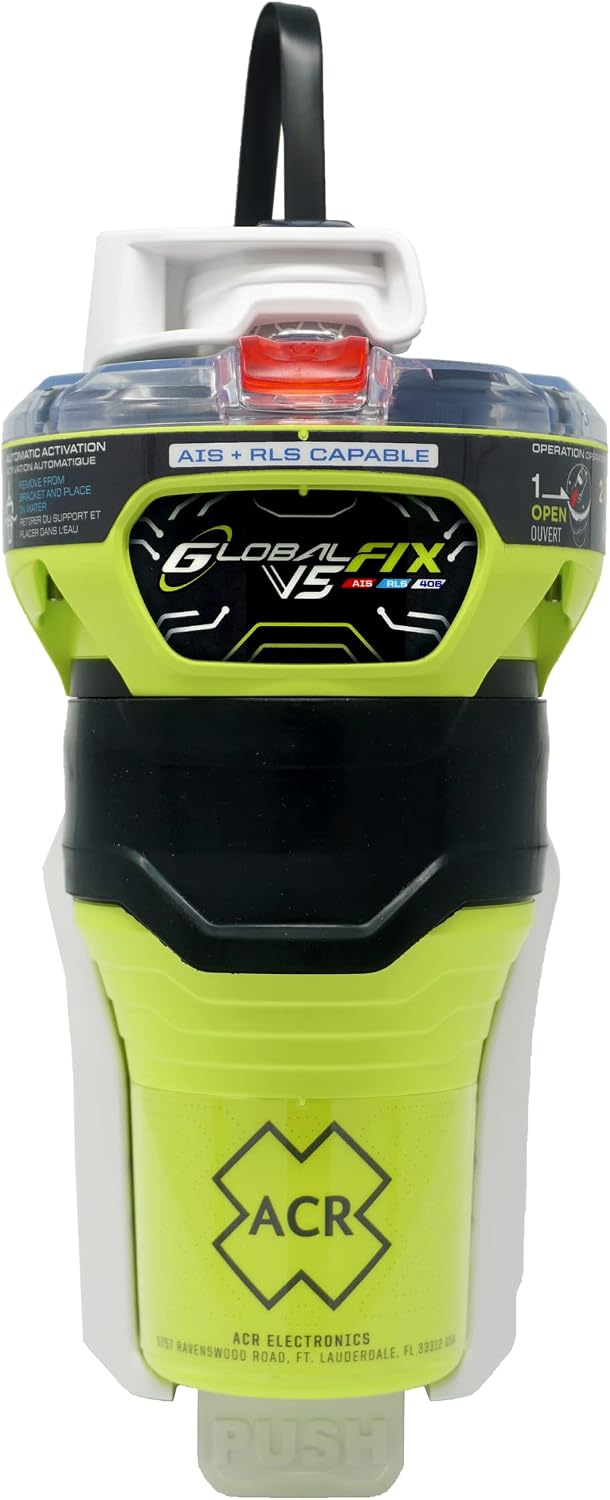
GlobalFix V5 AIS EPIRB
A vessel EPIRB with GPS and an AIS locating signal as well as the 406 MHz satellite alert.
Check price & availability for ACR GlobalFix V5 AIS EPIRB (Category 2) satellite beacon on AmazonACR
406 MHz PLB · buoyant · display
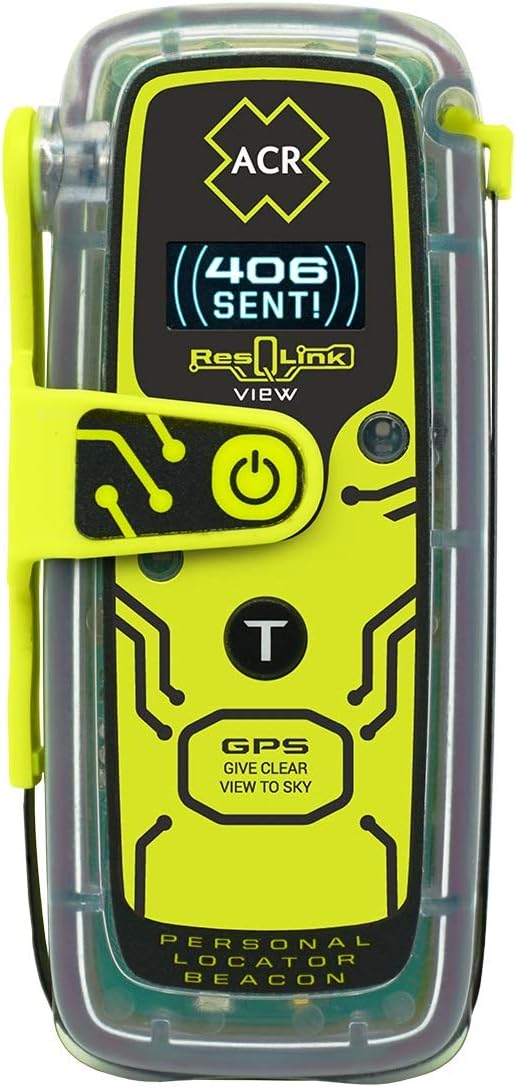
ResQLink View PLB425
A buoyant GPS personal locator beacon with a status display.
Check price & availability for ACR ResQLink View PLB425 buoyant GPS personal locator beacon on AmazonACR
406 MHz PLB · GPS/Galileo
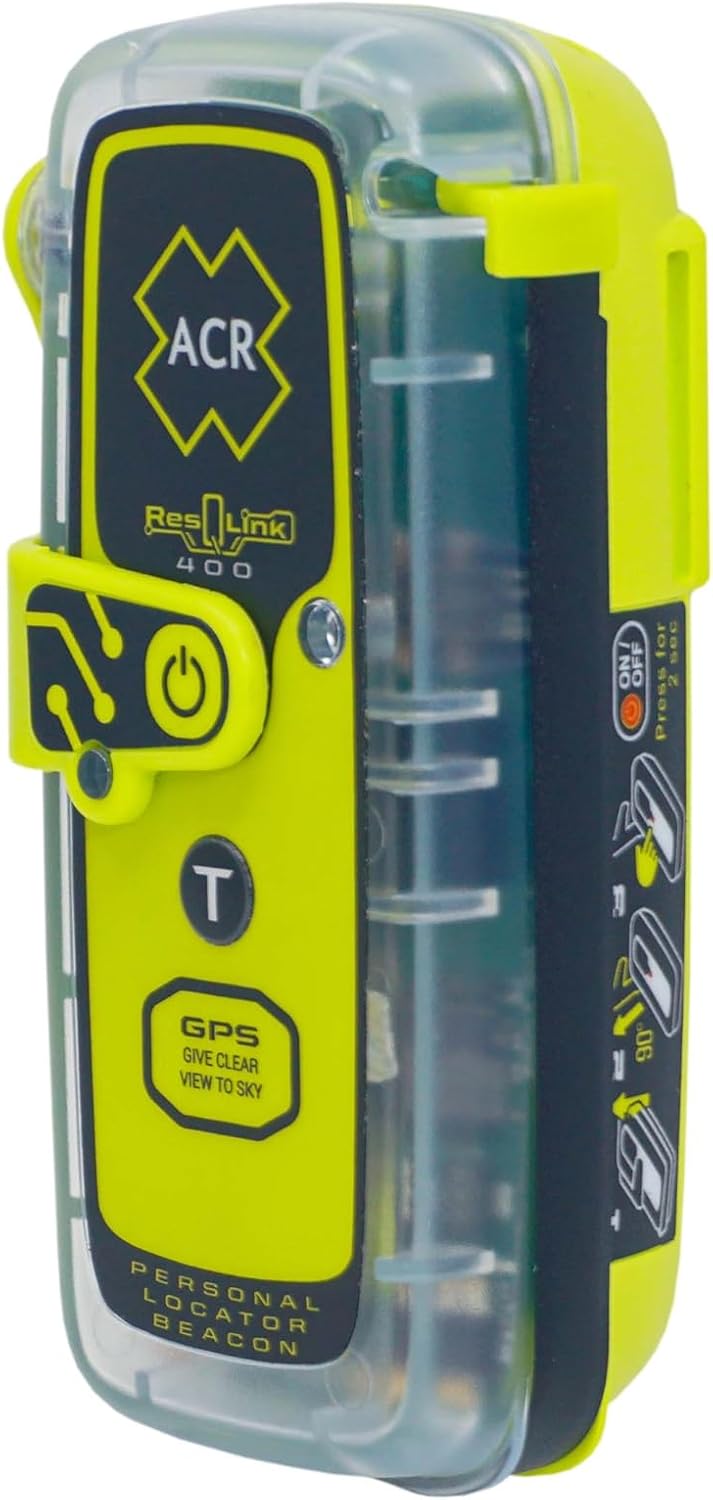
ResQLink 400 PLB
A compact registered personal beacon that alerts the satellite search-and-rescue system.
Check price & availability for ACR ResQLink 400 personal locator beacon on AmazonOcean Signal
406 MHz PLB · compact
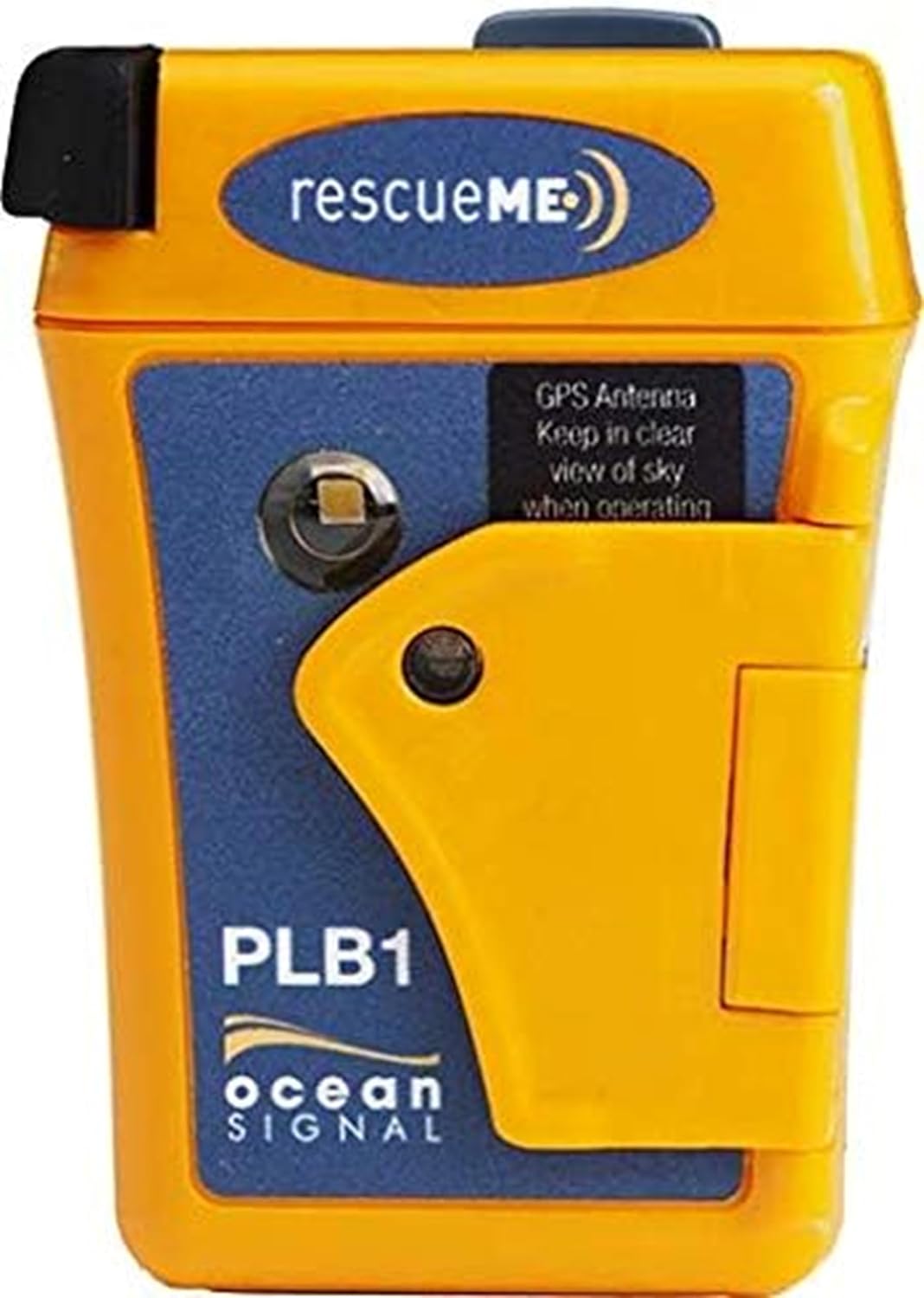
rescueME PLB1
A compact 406 MHz personal locator beacon from the maker of the rescueME MOB1.
Check price & availability for Ocean Signal rescueME PLB1 compact personal locator beacon on Amazon
As an Amazon Associate, MarineActivity earns from qualifying purchases. Amazon is the seller; we do not set prices, hold stock or fulfil orders. Prices and availability can change.
See all field notes and equipmentSources
Check these yourself. Where this page paraphrases a standard, the standard is what governs — not our wording.