DSC on marine VHF: distress alerts, MMSI and AIS
How a VHF radio's digital selective calling identifies a station, what a distress alert can carry, and why DSC is different from AIS.
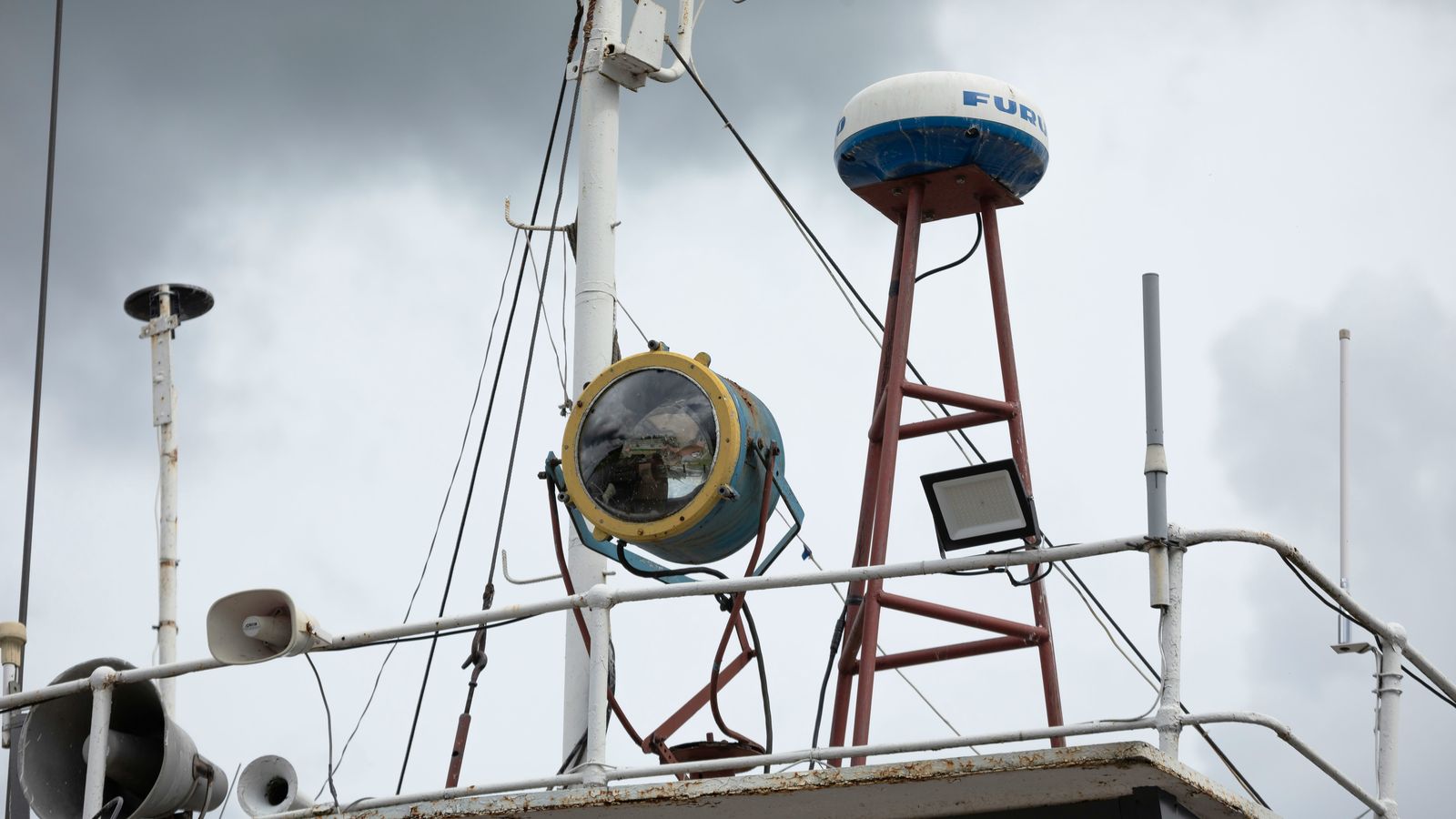
Photo: Belov Sergey / Unsplash ·source · Unsplash License
In one lineDSC is digital calling on marine VHF. An assigned MMSI identifies the radio, while a current position source lets a distress alert include a location.
Digital selective calling (DSC) adds a digital calling channel to a marine VHF radio. It can alert nearby DSC-equipped radios and coast stations, address a particular station, or signal distress. It is still VHF: reception depends on antenna height, terrain and which stations are within radio range. The marine VHF radio guide explains the radio and antenna choices behind that range.
What the distress control sends
On a DSC-capable radio, the protected distress control initiates a digital distress alert on Channel 70. The alert identifies the sending station by its Maritime Mobile Service Identity (MMSI). If the radio has a valid position and time from a Global Navigation Satellite System (GNSS) receiver or connected device, it can include those details too. A receiver in range can sound an alarm and display the information. The alert is a way to signal distress; it does not by itself establish a voice conversation or guarantee that a coast station received it.
Channel 70 carries DSC signalling, while Channel 16 carries voice distress traffic. The UK Maritime and Coastguard Agency’s small-boat guidance describes the applicable distress communication sequence for its waters. For actual use, follow your radio’s manual and the distress procedures issued by the authority responsible for your waters and vessel. A distress alert is for a genuine emergency, not a feature test. AIS MOB, AIS-SART, EPIRB and PLB explains the separate local and satellite beacon systems.
Why the radio needs an MMSI
An MMSI is a nine-digit maritime station identity assigned through the relevant administration or its authorised process. Programming the correct assigned identity lets a DSC call identify your station and lets another DSC user address it. An unprogrammed or incorrect identity undermines that purpose. Our guide to reading an MMSI explains the number’s format; the site’s decoder cannot assign a number or confirm its registration.
The MMSI is an identity, not a location. A radio with a built-in GNSS receiver can obtain a position itself; another set may need a compatible external feed. If that position is missing or stale, a distress alert may lack a usable location even though it carries an MMSI. Check the position shown by the radio and the connection requirements in its manual. Registration, licensing and operator requirements differ by jurisdiction. Portable DSC radios may have different identity rules from a fixed set on a vessel, so check the relevant national authority before entering a number.
DSC also supports routine calls addressed to another station’s MMSI. The digital call can alert the other radio before a voice exchange on an appropriate voice channel. That is what “selective” means: a call can be directed to a particular identity rather than beginning as a voice call to everyone listening.
DSC and AIS use different channels and messages
| System | Main job | What it sends |
|---|---|---|
| DSC | Digital calls and alerts | An addressed call or distress alert on Channel 70, with station identity and, when available, position |
| Voice VHF | Spoken communication | A conversation on a voice channel, including Channel 16 for distress traffic |
| AIS | Vessel information broadcast | Repeated position and identity reports on AIS channels |
An AIS transponder and a DSC radio fitted to the same vessel normally use the vessel’s assigned MMSI, but sharing an identity does not make the systems interchangeable. How AIS works explains its automatic broadcasts. A VHF set advertised with an AIS receiver can show other vessels’ AIS reports; it does not transmit your own AIS position unless separate AIS transmitting equipment is installed.
What to check on a DSC-capable set
For a fixed radio, look for the DSC class, a position source, and the connections required by your installation. Class D is a common DSC class for recreational fixed sets; it says something about the calling capability, not whether the radio includes an AIS receiver. A built-in GNSS receiver can simplify position input, while an external input depends on compatible wiring and data messages. Compare the radio manual with the position source’s manual, and check that the radio actually shows a current position.
The VHF and DSC equipment notes include an existing fixed Class D example. Those notes are based on published specifications, not hands-on testing. The correct MMSI, complete installation and local rules matter more than a product label.
Common questions
What does DSC mean on a VHF radio?
It means the set can send and receive digital calls or alerts on Channel 70. Voice communication uses a voice channel. Like other marine VHF signals, DSC depends on radio range.
Will a DSC distress alert include my position?
Only if the radio has a valid, current GNSS position. An MMSI identifies the station; it does not locate it. Check the radio’s display and manual for its position input.
Does DSC use the same MMSI as AIS?
Equipment installed on the same vessel normally uses its assigned MMSI, but DSC and AIS send different messages. Ask the relevant administration about registration and portable-radio rules.
Can a DSC radio replace an AIS transponder?
No. DSC provides digital calling and alerts. An AIS transponder broadcasts your vessel’s AIS position; an AIS receiver built into a radio only listens for other stations.
Related equipment
See the hardware in context
These named products perform roles described in this guide. The notes are specification-based, not claims of hands-on testing.
Icom
Fixed mount · GPS + DSC
M330G VHF/DSC radio
A compact fixed VHF with an external GPS antenna and Class D DSC capability.
Check price & availability for Icom M330G fixed-mount VHF/DSC radio on Amazon
As an Amazon Associate, MarineActivity earns from qualifying purchases. Amazon is the seller; we do not set prices, hold stock or fulfil orders. Prices and availability can change.
See all field notes and equipmentSources
Check these yourself. Where this page paraphrases a standard, the standard is what governs — not our wording.