
Tools · IMO number checker
IMO number checker
The IMO number is the one identity that stays with a ship for life. It has a built-in check digit, so you can tell a typo from a real number in a second. Runs in your browser; nothing is sent anywhere.
Result
How the check digit works
Multiply each of the first six digits by a weight — 7, 6, 5, 4, 3, 2 from left to right — and add the results. The last digit of that sum must equal the seventh digit. For IMO 9074729:
| Digit | Weight | Product |
|---|---|---|
| 9 | × 7 | 63 |
| 0 | × 6 | 0 |
| 7 | × 5 | 35 |
| 4 | × 4 | 16 |
| 7 | × 3 | 21 |
| 2 | × 2 | 4 |
| Sum | 139 |
The sum is 139; its last digit is 9, which matches the seventh digit, so the number is well-formed. Swap any two neighbouring digits or mistype one, and the check almost always fails.
What an IMO number is
The IMO ship identification number is a permanent seven-digit identity for a hull, set up under the International Maritime Organization’s ship identification number scheme (IMO Resolution A.1078(28)). It is assigned once and is not reused: a ship keeps it through every change of name, flag and owner until it is scrapped.
That makes it the opposite of an MMSI. The MMSI is a radio identity issued by the flag administration, and a ship that reflags is given a new one. Years of history for one hull can sit under two or three MMSIs and one IMO number. When the two disagree about which ship is which, the IMO number is the one to trust.
Where you will see it
- On the ship. SOLAS regulation XI-1/3 requires it to be permanently marked where it is visible from outside, and inside the hull.
- In AIS. Class A transponders broadcast it in the static and voyage-related data report. A value of 0 means “not available”; Class B equipment does not send the field.
- On this site. Every vessel page shows the IMO number the ship transmits, or says “Not reported”. We show it exactly as received, so a failed check here means the transponder was programmed wrongly.
Who does not have one
The scheme is aimed at seagoing merchant ships, generally from 100 gross tonnage upwards. Pleasure craft, small craft, many fishing vessels and inland vessels sit outside it — so a missing IMO number on a yacht or a harbour launch is normal, not suspicious.
Questions
What does an IMO number look like?
Seven digits, usually written with the prefix "IMO", for example IMO 9074729. The seventh digit is a check digit calculated from the first six, so most single-digit typos produce a number that fails the check.
Is an IMO number the same as an MMSI?
No. An MMSI is a nine-digit radio identity issued by the flag administration and it changes when a ship reflags. An IMO number is a seven-digit identity for the hull itself and stays with the ship for life, through changes of name, flag and owner.
Does a valid check digit prove the ship exists?
No. The check only proves the seven digits are internally consistent. Roughly one in ten random seven-digit numbers passes it. Whether a number has actually been assigned to a ship is a question for the IMO’s own ship database, not for arithmetic.
Why do some vessels have no IMO number?
The scheme is aimed at seagoing merchant ships, generally from 100 gross tonnage upwards. Yachts, small craft, many fishing vessels and inland vessels are outside it. On AIS, an IMO field of 0 means "not available", and Class B equipment does not transmit the field at all.
Where is the IMO number shown on a ship?
SOLAS regulation XI-1/3 requires ships in the scheme to have the number permanently marked on the hull or superstructure where it is visible from outside, and inside the ship. It also appears on the ship’s certificates and, for Class A AIS, in the static and voyage-related data report.
Decoding a radio identity instead? Use the MMSI decoder, or browse the AIS code reference.
Amazon affiliate picks
Identify, verify, read up
An IMO number is a hull identity that outlives name and flag changes. Optics and a reference book help you confirm what you are looking at.
- Steiner
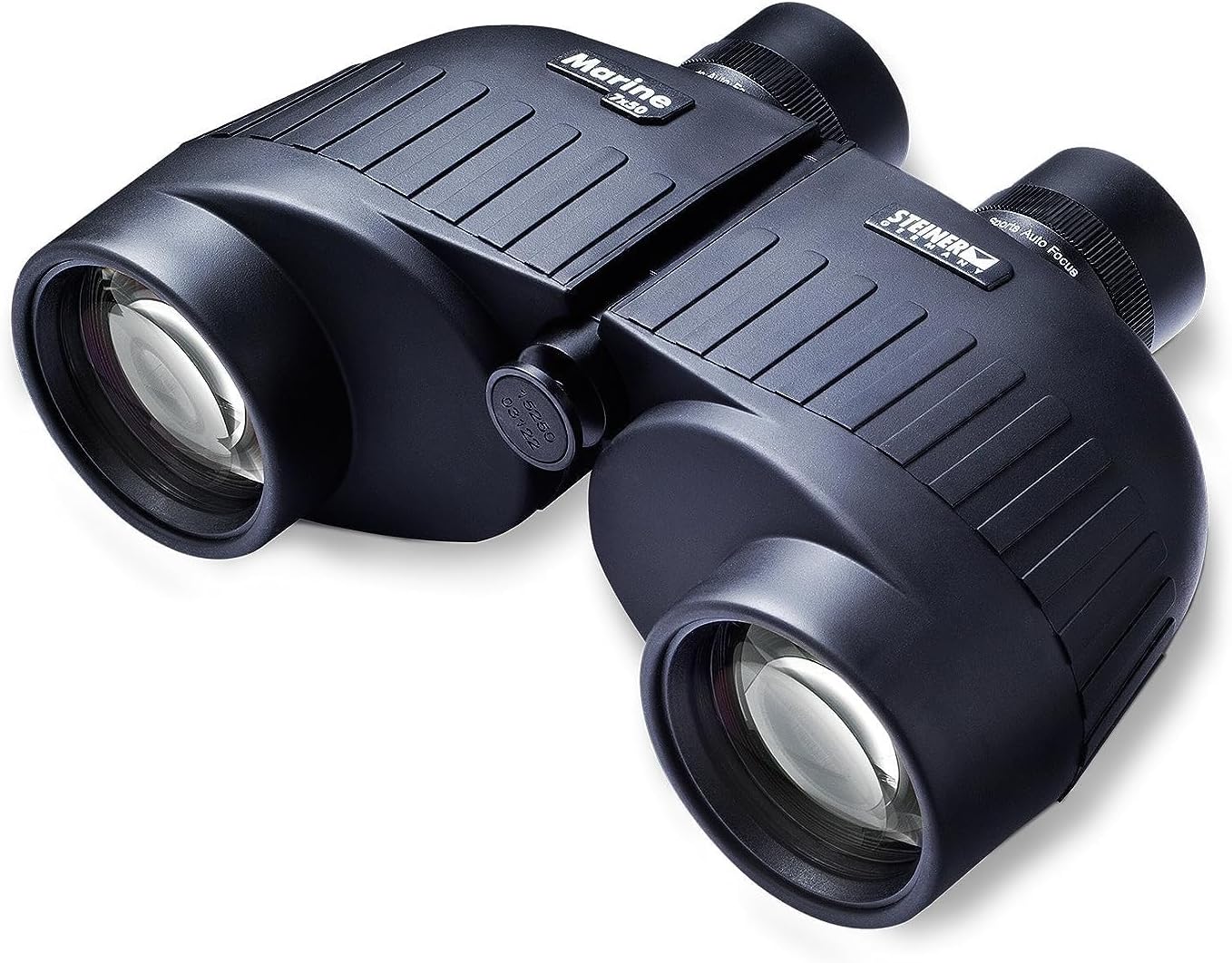
7x50 · marine binocular
Steiner Marine 7x50
A 7x50 marine binocular, the classic format for watching vessels from a deck or quay.
7x50 glass is bright and steady but heavy. For occasional shore watching, a lighter binocular may suit better.
View on Amazon — Steiner Marine 7x50 binocularsCheck current price & availability
- Nathaniel Bowditch
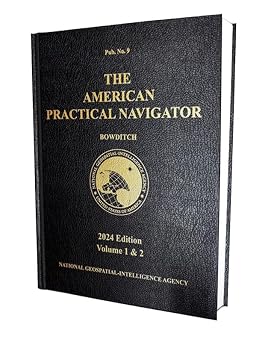
Hardcover · 2 volumes
Bowditch, 2024 edition
The classic navigation reference in its 2024 edition, published as two volumes.
Paradise Cay 2024 edition, 1,358 pages. Check which volumes the listing covers.
View on Amazon — American Practical Navigator (Bowditch), 2024 edition, Volumes 1 and 2Check current price & availability
- John Rousmaniere
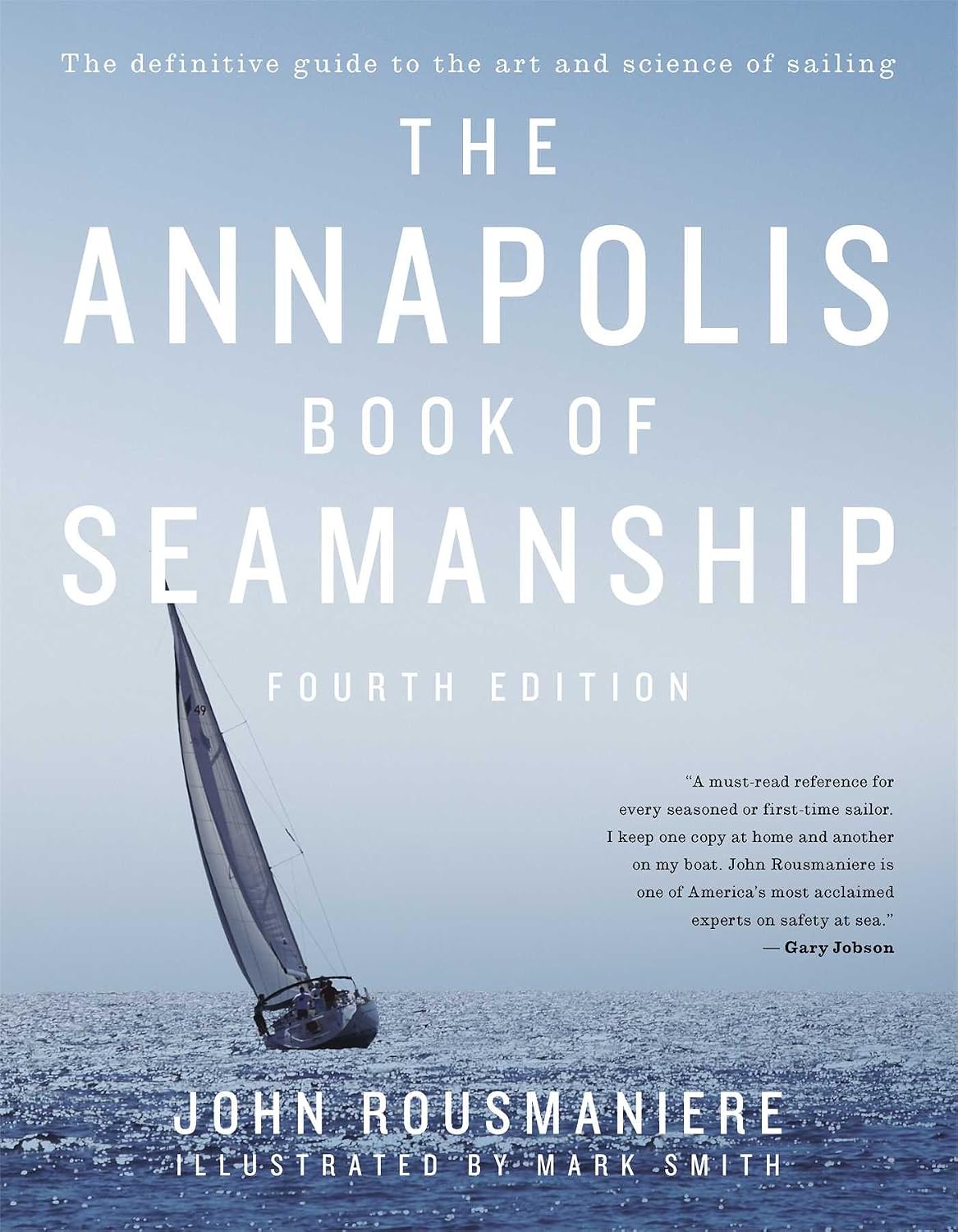
Hardcover · fourth edition
Annapolis Book of Seamanship
John Rousmaniere’s illustrated reference to sailing, navigation, weather, safety and boat systems.
Fourth-edition hardcover: ISBN 9781451650198, published by Simon & Schuster. Other formats have different ISBNs.
View on Amazon — The Annapolis Book of Seamanship, fourth editionCheck current price & availability
As an Amazon Associate, MarineActivity earns from qualifying purchases. Amazon is the seller; we do not set prices, hold stock or fulfil orders. Prices and availability can change. Affiliate disclosure
Explore marine gear →